Clinically verified
The content of this article has been verified by the specialist team of the Sztuka Harmonii Psychological Centre.
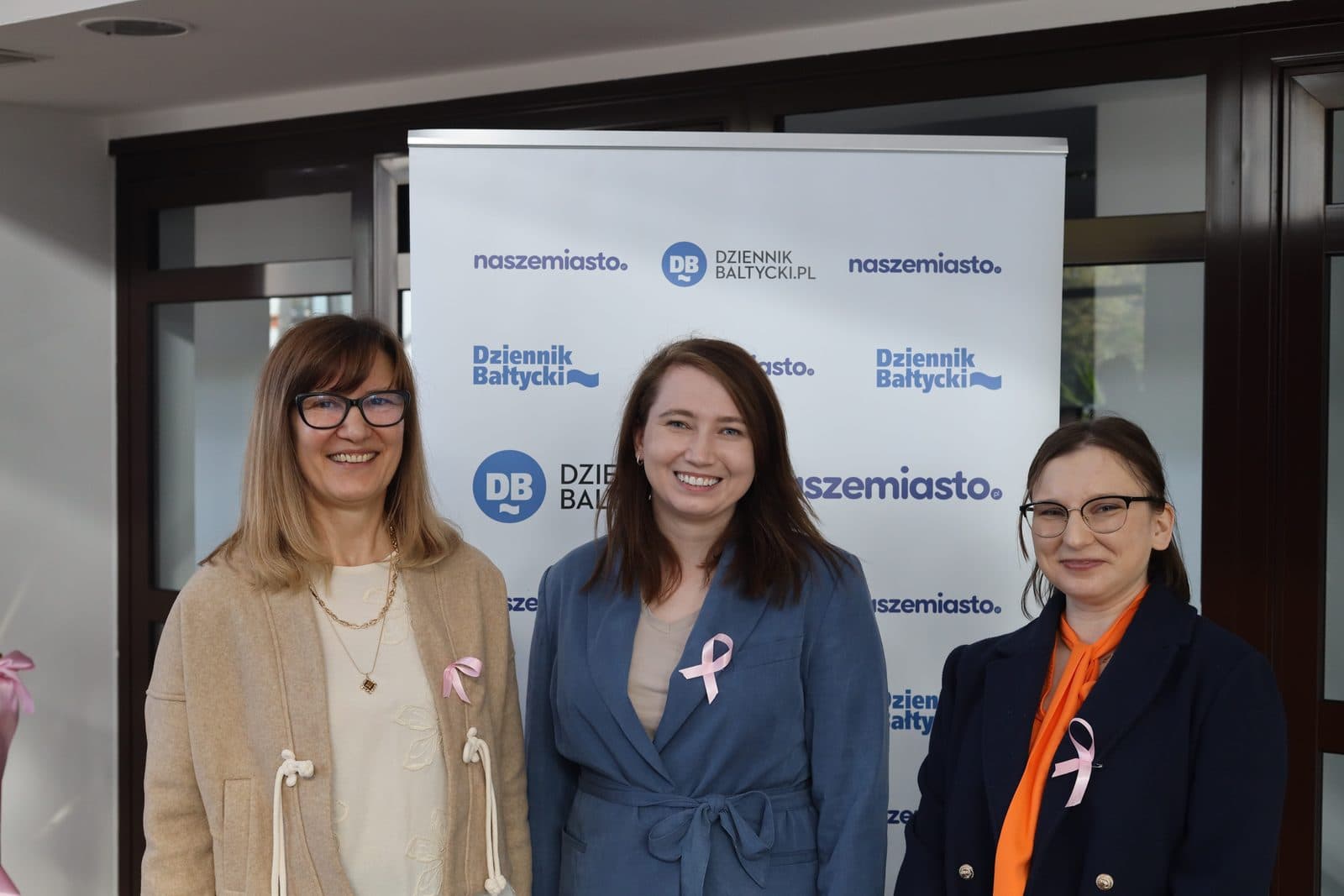
On 19 October 2026, the official opening of the exhibition “KobieTy to siła” (“Women Are Strength”), a project of Dziennik Bałtycki, took place at Opera Bałtycka (the Baltic Opera) in Gdańsk. Three of us from the Centrum Psychologiczne Sztuka Harmonii team were there:
- mgr Magdalena Raba - psychologist, psychotherapist in training, founder and owner of Sztuka Harmonii,
- mgr Małgorzata Kozłowska - psychologist and psychotraumatologist,
- mgr Klaudia Kozak - psychologist, child psychologist, psychotherapist in training in the CBT approach.
About the exhibition
According to the Dziennik Bałtycki announcement, the project features women supported by the OmeaLife Foundation who have faced breast cancer. The announcement also states that the exhibition can be viewed at Opera Bałtycka until 25 October, and mentions that three psychologists from our centre would take part in the opening. You can read more about the project in the announcement of the exhibition in Dziennik Bałtycki.
The exhibition presents portraits by the photographer Agata Zatorska. The central motif is amber, and next to the portraits there are QR codes that lead to the women's stories.
The exhibition is organised by Dziennik Bałtycki. The main partner is Energa Grupa ORLEN, the content partner is the OmeaLife Foundation, and the regional partner is the Samorząd Województwa Pomorskiego (Pomeranian Voivodeship Self-Government). On the exhibition posters, the partners also include the Pomorski Oddział Wojewódzki NFZ (the Pomeranian branch of the National Health Fund).
The pink ribbon and conversations with journalists
During the ceremony, a pink ribbon was cut. Among those who cut it were Małgorzata Kozłowska and Klaudia Kozak, and Magdalena Raba was also among the people opening the exhibition.
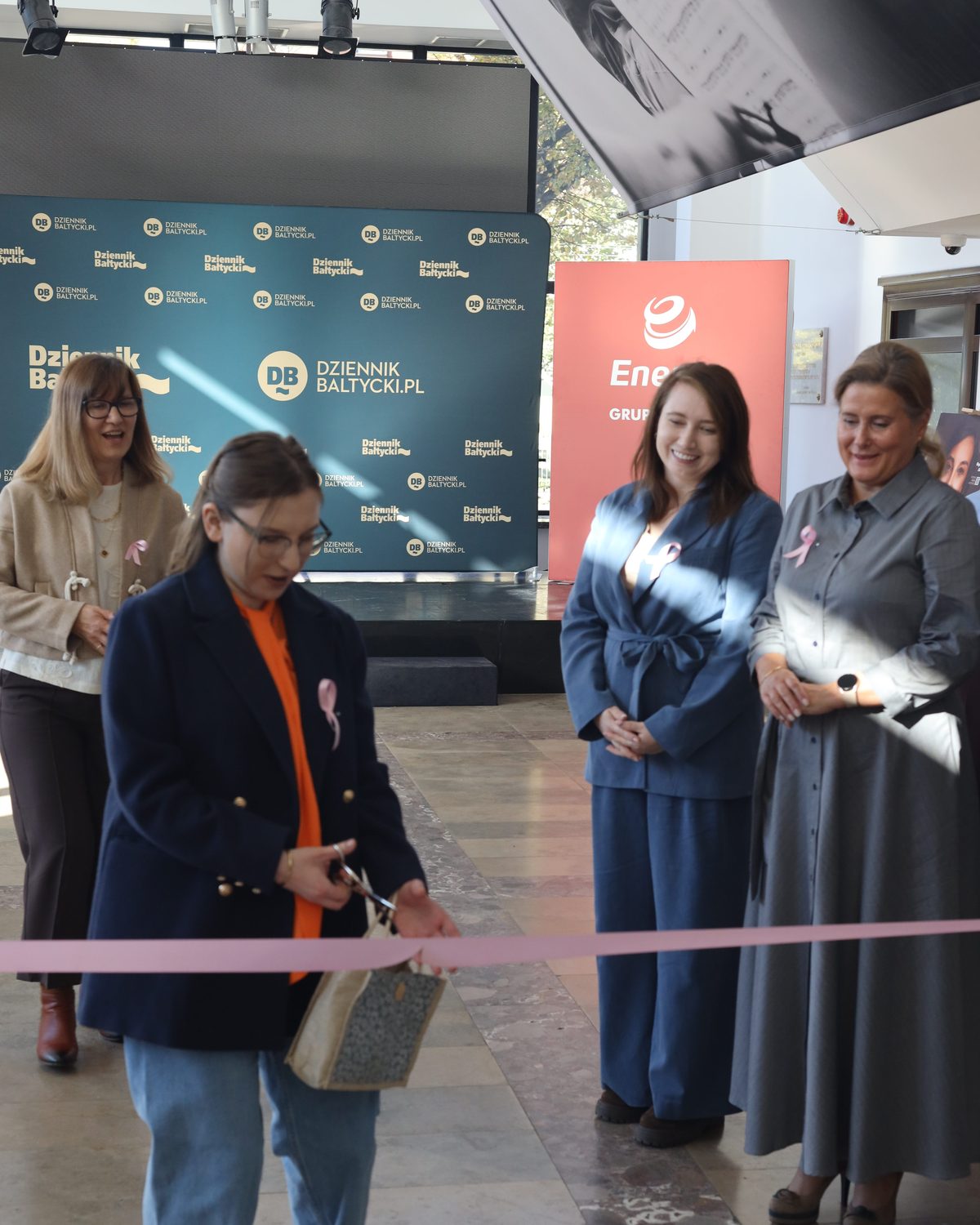
Guests wore pink ribbons. It is a symbol of breast cancer awareness, to which October is dedicated.
Each of us also spoke with journalists from Dziennik Bałtycki. We encourage you to follow the newsroom's coverage of the exhibition.
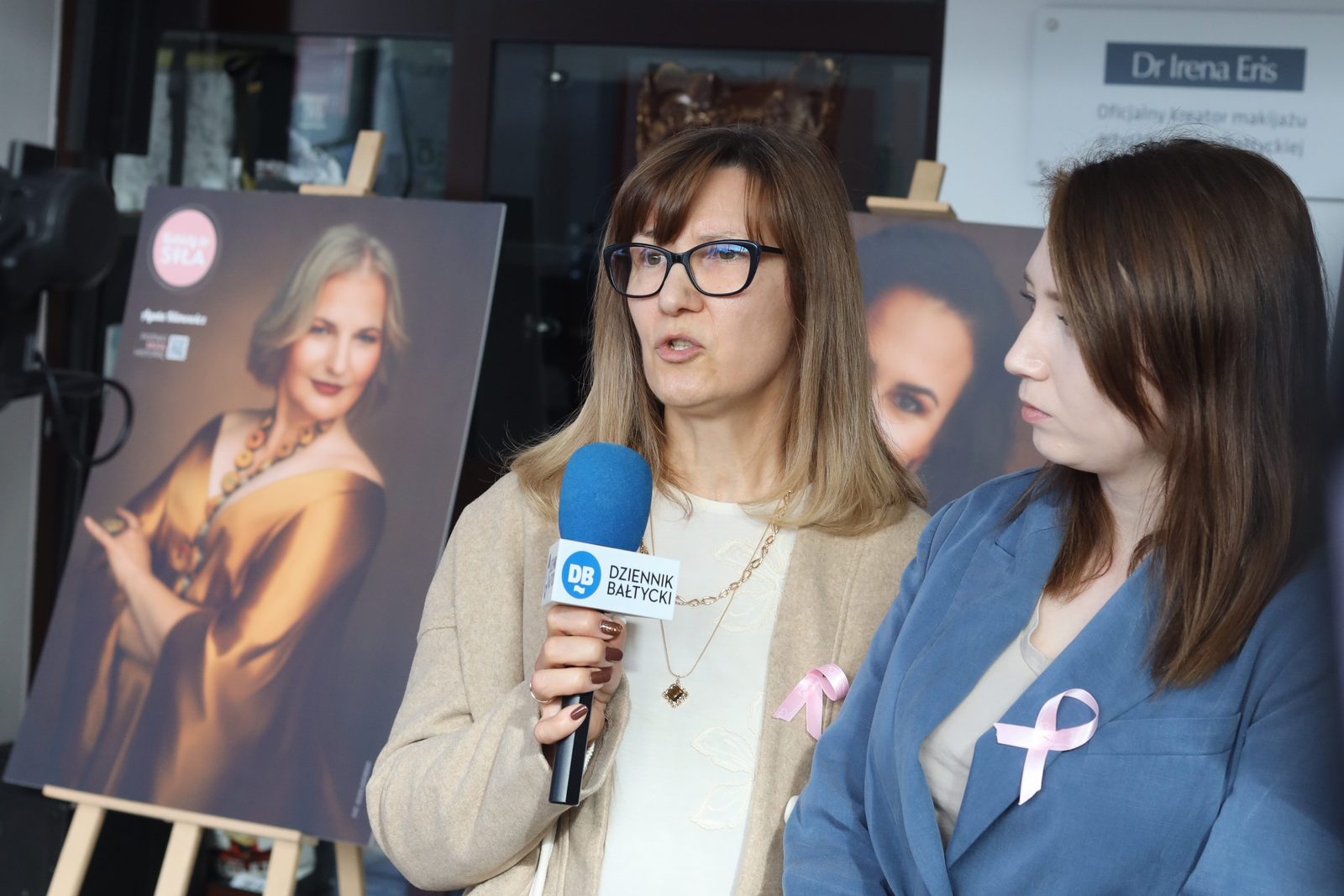
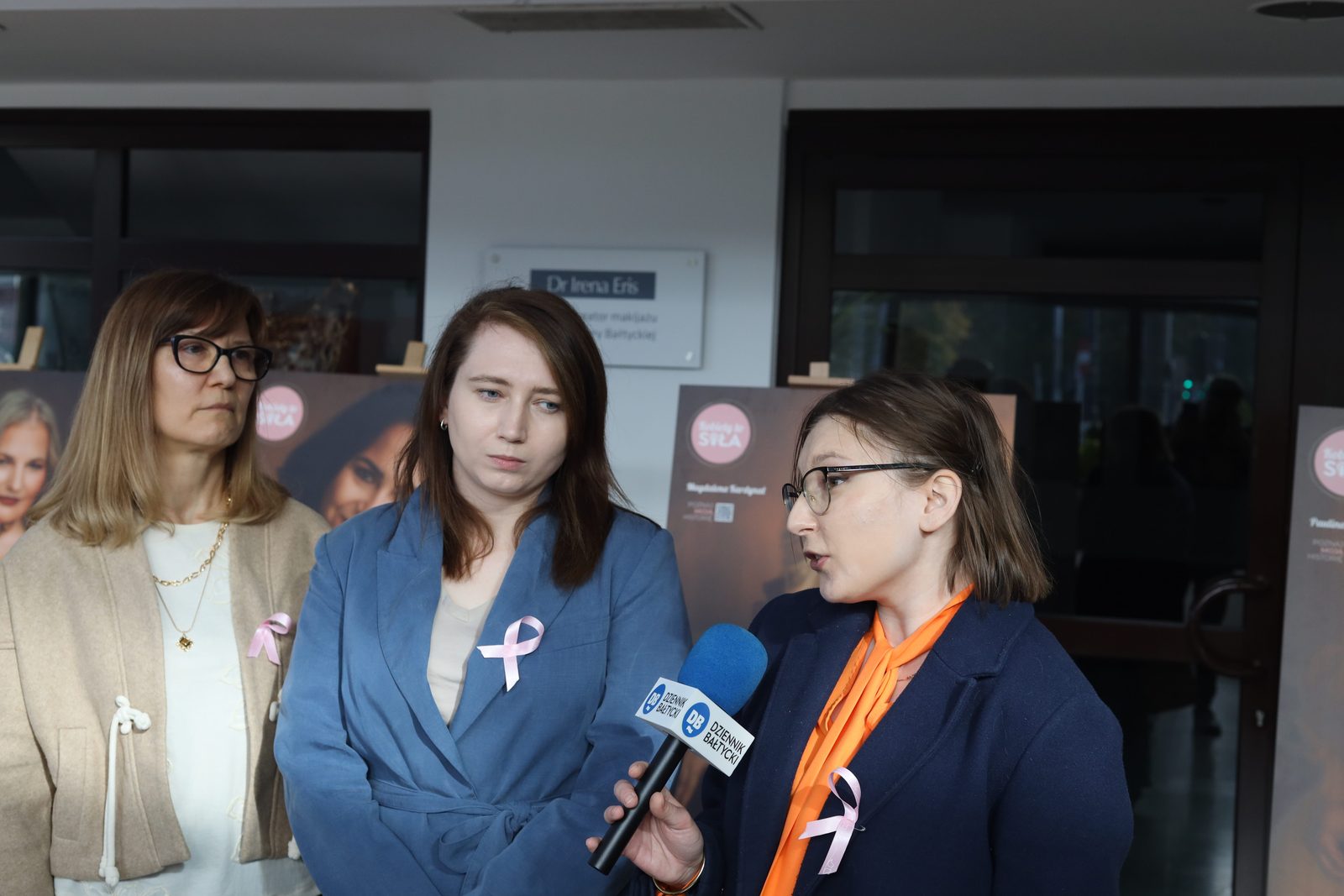
We thank the organisers for the opportunity to take part in the opening, and the women featured in the exhibition for sharing their stories.
Why psychological support can matter in cancer
Cancer affects more than the body. The diagnosis, treatment and the return to everyday life can involve anxiety, sadness, anger, tiredness and uncertainty. These are understandable reactions to a very difficult situation, not a sign of weakness. At each stage, needs can differ:
- after the diagnosis - when you need to come to terms with a new situation, wait for results and make decisions,
- during treatment - when appointments and procedures set the rhythm of the day, and tiredness and changes in the body affect wellbeing and relationships,
- after treatment has ended - when you return to work and everyday roles, and fear of recurrence may appear before follow-up tests.
Cancer also affects those close to the person who is ill. Partners, children, parents and friends often try to be a source of support while experiencing anxiety and helplessness themselves. Talking to a psychologist can help you name your emotions, think about how to talk about the illness in the family, and look after your own strength.
The role of such support is also addressed in the guidelines of the American Society of Clinical Oncology (ASCO) on anxiety and depression in adults with experience of cancer. They recommend offering education about anxiety and depression to all oncology patients. In the review of studies on which the guidelines are based, psychological, educational and psychosocial interventions reduced the severity of symptoms of depression and anxiety (Andersen et al., 2023).
Psychological support does not replace cancer treatment, but it can complement it. Both people who are ill and their loved ones can seek help at any stage of the illness.
Specialist profiles and psycho-oncological support
You can read more about each of us on our profiles: Magdalena Raba, Małgorzata Kozłowska and Klaudia Kozak.
If cancer affects you or someone close to you, at our centre you can book a psycho-oncological consultation, in person or online. We are also collecting sign-ups for the waiting list for a psycho-oncological support group. Signing up is free and does not commit you to taking part. You can read more about what psychological support looks like in cancer in our areas of help.
Photos: Sztuka Harmonii.